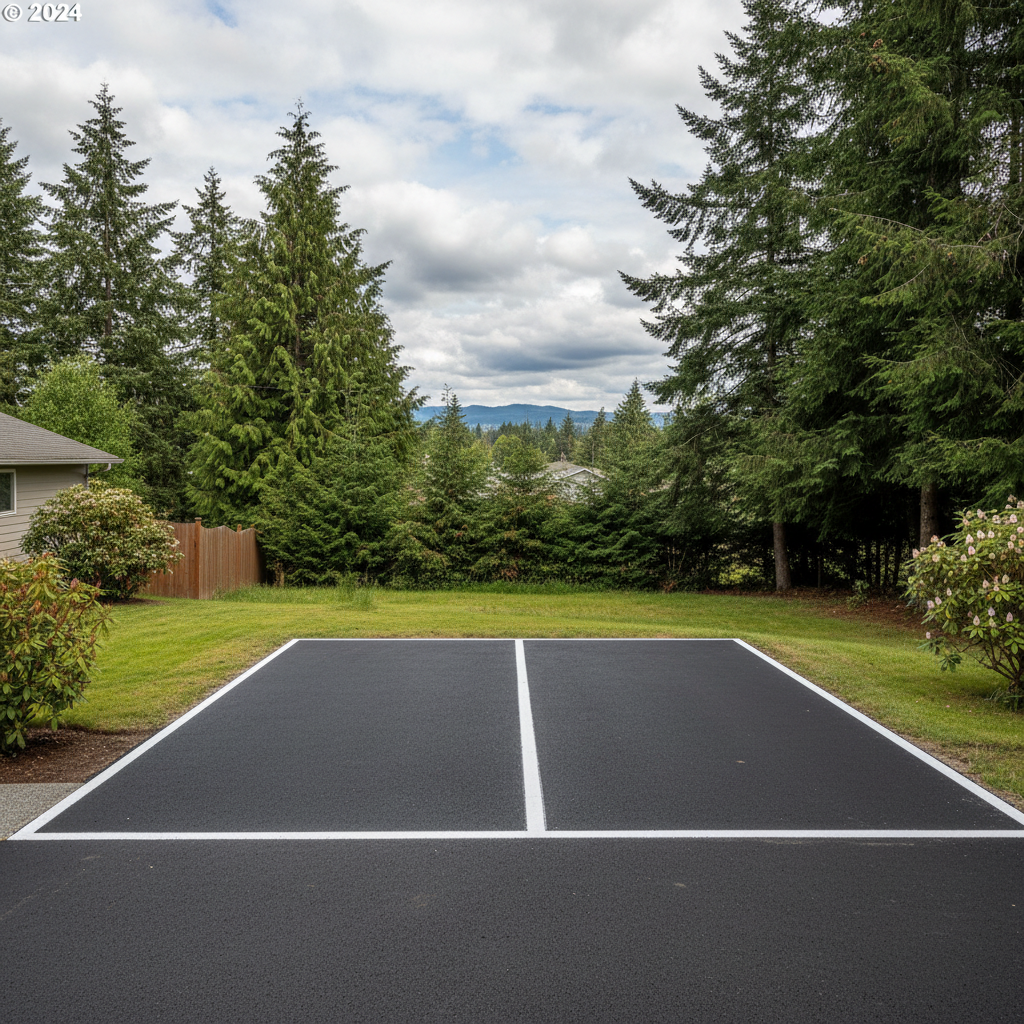
Alright, so you're thinking about getting your asphalt lot or driveway re-striped. Maybe it's faded, or you're adding a new parking area, or just want things looking sharp again. Whatever the reason, it's not just about slapping some paint down. There's a bit of planning involved if you want it done right and without a headache. As someone who's been doing this for years here in Renton, I've seen it all, and I want to give you the straight scoop.
Understanding the Timeline for Your Striping Project
First off, let's talk timing. Most folks don't think about striping until spring or summer, and that's usually when we're busiest. If you're looking at getting this done, don't wait until the last minute. A good contractor's schedule fills up fast, especially when the weather's nice.
- Initial Contact & Quote: This can take a few days to a week. We'll need to come out, measure, assess the condition of your existing pavement, and talk about your specific needs.
- Scheduling: Once you approve a quote, we'll get you on the calendar. Depending on the season, this could be anywhere from a week to a few weeks out. If you're calling in June, don't expect it to happen next Tuesday.
- Project Duration: For most residential or small commercial striping jobs, the actual work itself is pretty quick. We're usually talking a few hours to a full day, depending on the size and complexity. We're not talking about a multi-day construction project here.
- Curing Time: This is important. After we lay down the paint, it needs time to dry and cure properly. We'll tell you specifically, but generally, you'll need to keep traffic off it for at least 24 hours, sometimes longer if it's cooler or humid. Don't rush this part, or you'll end up with tire marks and a mess.
So, from first call to full use, you're probably looking at a 2-4 week window, total, especially if you want to get on a reputable company's schedule.
What to Expect During the Striping Process
When the crew shows up, here's what you'll typically see:
- Cleaning the Surface: We'll sweep and blow off any loose dirt, leaves, or debris. The paint needs a clean, dry surface to stick properly. If there's oil or grease, we might need to pre-treat those spots.
- Layout and Measuring: This is where the precision comes in. We'll use chalk lines or string to mark out where everything goes – parking stalls, arrows, fire lanes, accessibility symbols. This ensures everything is straight, evenly spaced, and meets any local codes.
- Applying the Paint: We use specialized striping machines that apply the paint evenly. We'll use high-quality, durable traffic paint that's designed to stand up to our Renton weather, including all that rain we get.
- Quality Check: Before we pack up, we'll do a final walk-through to make sure everything looks good and meets our standards.
- Cones/Barricades: We'll put up cones or tape to keep traffic off the fresh paint until it's dry. Please, please, please respect these. It's for your own good.
How to Prepare Your Property
You can help make the process smoother and quicker. Here's what you can do:
- Clear the Area: Move any cars, boats, RVs, trash cans, planters, or anything else that's in the way of the area to be striped. We can't stripe around your kid's bike.
- Communicate: If you have specific instructions, like