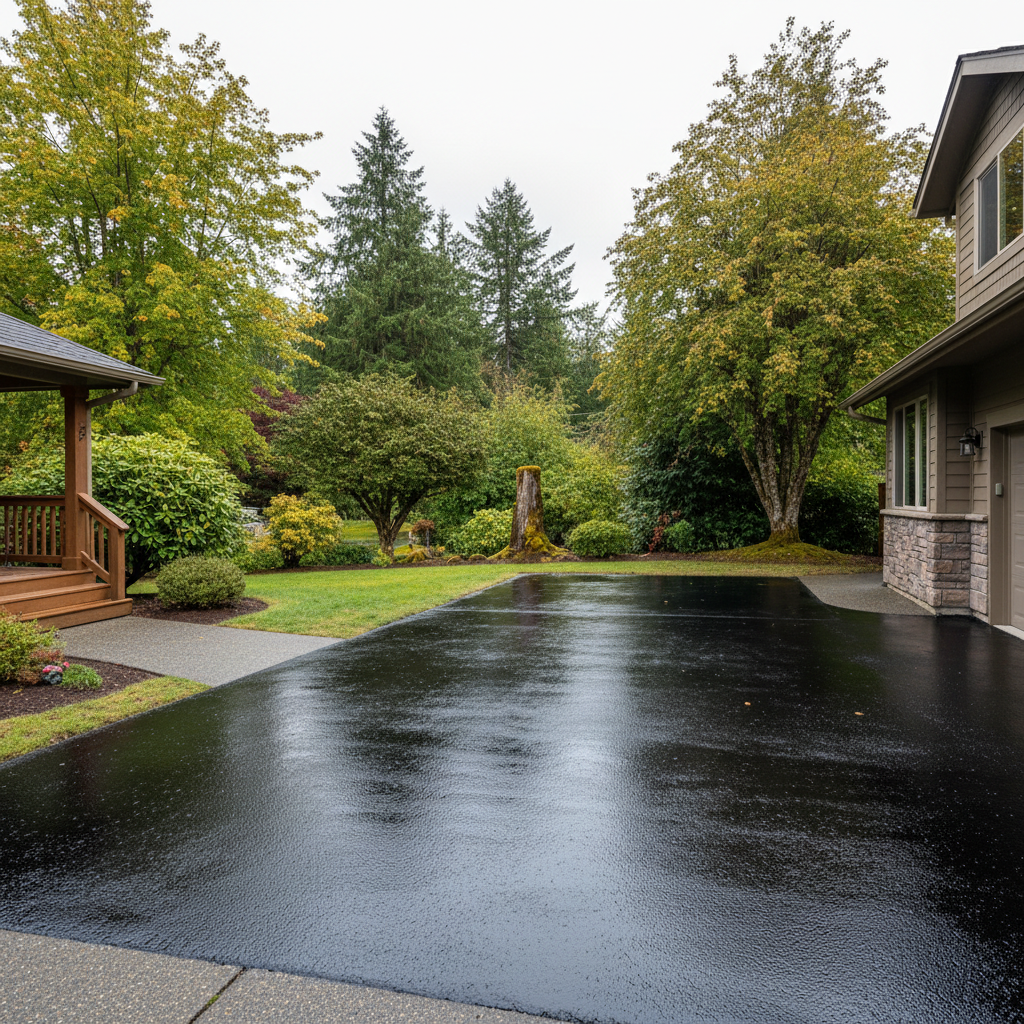
Alright, so you've just had your driveway or parking lot sealcoated. Good move. It's a smart investment that protects your asphalt from the elements, keeps it looking sharp, and frankly, saves you money in the long run by preventing bigger repairs. But getting it done is only half the battle. If you want that sealcoat to really do its job and last, you've got to treat it right. Especially here in Renton, with our specific kind of weather – lots of rain, freeze-thaw cycles, and those occasional summer heatwaves.
Extending the Life of Your Sealcoat: The First Few Days Are Key
This is probably the most important part, and where most folks mess up. That fresh sealcoat needs time to cure. Think of it like fresh paint; you wouldn't drive on it right away, would you? We usually recommend staying off it for at least 24-48 hours, but honestly, if you can stretch that to 72 hours, especially if it's a bit cooler or humid, you're doing yourself a huge favor. This allows the sealcoat to fully harden and bond with the asphalt.
- No Driving: Seriously, no cars, trucks, motorcycles, or even heavy foot traffic if you can avoid it.
- No Turning Wheels: Even if you're just idling, turning your steering wheel while stopped can scuff and damage the new surface.
- Watch the Weather: If we get an unexpected downpour right after application, it can affect the cure. A good contractor like Pacific Paving Solutions will always check the forecast, but sometimes Mother Nature has other plans. If it rains, just extend that cure time a bit.
Once it's fully cured, you're good to go. But the maintenance doesn't stop there.
Regular Maintenance: Your Asphalt's Best Friend
This isn't rocket science, it's just common sense stuff that makes a big difference over time.
- Keep it Clean: Sweep off dirt, leaves, and debris regularly. Organic matter can hold moisture against the surface, and over time, that's not good. Plus, dirt acts like sandpaper when cars drive over it, slowly wearing down the sealcoat.
- Oil and Gas Spills: These are sealcoat killers. Asphalt is petroleum-based, and oil and gas will break down the sealcoat and eventually the asphalt itself. Clean up any spills immediately with an absorbent material like cat litter, then scrub with a mild detergent and rinse thoroughly. Don't let them sit.
- Edge Protection: Pay attention to the edges of your driveway, especially if it borders a lawn or garden. Water can seep under the asphalt here, leading to undermining and cracks. Keep vegetation trimmed back and make sure drainage is good. We see a lot of issues in older Renton neighborhoods with established trees and roots pushing up driveways, so keep an eye out for that.
- Avoid Heavy Point Loads: Don't leave heavy objects with small contact points (like the legs of a heavy trailer or a dumpster) sitting on your sealcoat for extended periods. This can create indentations or even crack the surface.
Warning Signs: When to Pay Closer Attention
Your sealcoat will tell you when it's starting to wear down or if there's a problem brewing. Don't ignore these signals:
- Fading Color: The rich black color starts to turn gray or brown. This is a clear sign the protective layer is thinning and UV rays are starting to penetrate.
- Surface Cracks: Small hairline cracks appearing on the surface. These are different from deeper structural cracks in the asphalt itself. If you see these, it means the sealcoat isn't doing its job of keeping water out anymore.
- Loose Aggregate: You start seeing small stones (aggregate) coming loose from the asphalt surface. This means the binder in the asphalt is deteriorating, and the sealcoat might not be adhering properly or has worn away.
- Potholes or Depressions: While sealcoat doesn't prevent structural issues, if you see new potholes or areas where water is pooling, it means there's a deeper problem with your asphalt base that the sealcoat can no longer mask or protect.
When to Call a Professional
You're not expected to be an asphalt expert, that's my job. If you see any of those warning signs, or if it's just been a few years since your last sealcoat, it's probably time to give us a shout. Generally, a good quality sealcoat, properly applied, will last 2-4 years, depending on traffic and weather exposure. Here in the Pacific Northwest, with our constant rain and the freeze-thaw cycles we get in winter, that 2-3 year mark is often a good time to reassess.
Don't wait until you have major cracks or potholes. That's when a simple sealcoating job turns into a more expensive repair or even a full overlay. Catching these issues early saves you money and keeps your property looking its best. If you're in Renton or the surrounding areas and you're wondering about your driveway's condition, just give Pacific Paving Solutions a call. We're happy to take a look and give you an honest assessment. No pressure, just good advice from a local who knows our climate.