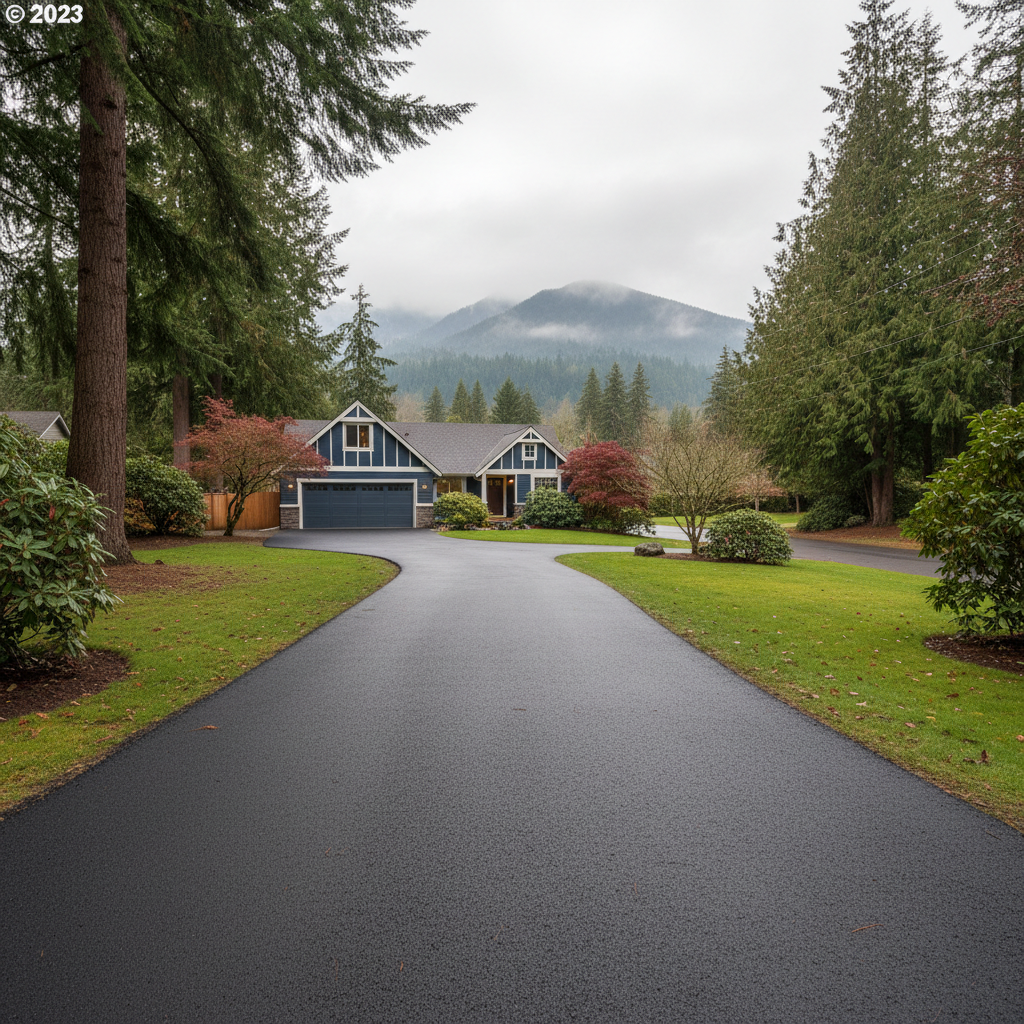
Ever wonder why your neighbor's driveway looks better than yours year after year? It's probably because they understand our local Renton weather and how it affects asphalt. I've been doing this a long time, and I've seen firsthand what works and what doesn't around here.
When's the Best Time to Get Asphalt Work Done?
This is probably the most common question I get. For asphalt paving or major repairs, you're looking for warm, dry weather. That usually means late spring, summer, and early fall here in Renton. Think May through September, maybe even into October if we get a nice, long dry spell. Why then? Asphalt needs to cure properly. If it's too cold, it won't compact right, and if it's too wet, the water can get trapped, leading to all sorts of problems down the line.
We need consistent temperatures, typically above 50 degrees Fahrenheit, for the asphalt to lay down and bind correctly. If it's too hot, like those rare 90-degree days we get, that can be tough too, but cold and wet are the real enemies. Trying to pave in November or December around here is just asking for trouble. You'll end up with a weaker, less durable surface that'll crack and crumble faster. We won't even schedule major paving jobs if the forecast isn't looking good because we stand by our work at Pacific Paving Solutions, and that means doing it right the first time.
What Weather Conditions Really Matter?
Beyond just temperature, humidity and rain are big factors. You can't pave on a wet surface. Period. The base needs to be dry, and the asphalt itself needs to be applied without moisture interfering. That's why those stretches of sunny days we get in July and August are prime time. Even after a rain, the ground needs time to dry out completely, especially in areas with poor drainage or heavy clay soils, which we definitely have in parts of Renton, like down near the Cedar River. If you've got a driveway that's always a puddle after a shower, that's something we'd need to address before even thinking about new asphalt.
For sealcoating, which is your protective layer, the rules are similar but a little less strict. You still need dry conditions, and temperatures above 50 degrees are ideal, but you're not dealing with the same kind of heat requirements as fresh asphalt. Sealcoat needs about 24-48 hours to fully dry and cure before you drive on it, so a good forecast without rain is crucial. Don't plan a big party with lots of cars pulling in and out right after a fresh sealcoat!
Year-Round Protection: Keep Your Investment Strong
So, you've got a beautiful new or freshly sealed driveway. How do you keep it that way? It's not just about what we do; it's about what you do too.
- Keep it Clean: Sweep off dirt, leaves, and debris regularly. Organic matter can hold moisture and break down the asphalt over time. Plus, it just looks better.
- Address Spills Immediately: Oil, gas, and other automotive fluids are asphalt killers. They break down the binder that holds the asphalt together. If you spill something, clean it up right away with an absorbent material and a mild detergent. Don't let it sit.
- Watch for Cracks: Small cracks are normal as asphalt ages and expands/contracts with our temperature swings. But don't ignore them! Seal them up quickly. Water is asphalt's worst enemy. It gets into those cracks, freezes in winter, expands, and turns a small crack into a pothole faster than you can say 'surface deterioration.'
- Manage Drainage: Make sure water is flowing off your driveway, not pooling on it. If you have areas where water collects, that's a problem waiting to happen. Sometimes it's as simple as clearing a clogged drain or adding a small swale.
- Avoid Heavy Loads: Try not to park really heavy vehicles, like RVs or construction equipment, in the same spot for extended periods, especially on hot days. The weight can cause depressions or ruts.
- Sealcoat Every Few Years: This is your primary defense. A good quality sealcoat protects your asphalt from UV rays, water penetration, and everyday wear and tear. Depending on traffic and weather exposure, every 2-4 years is a good general guideline. We can help you figure out the right schedule for your specific driveway.
Taking care of your asphalt isn't rocket science, but it does require a little attention, especially with our Pacific Northwest weather patterns. A little preventative maintenance goes a long way in saving you a lot of money and headaches down the road. If you've got questions or need a hand, you know who to call.