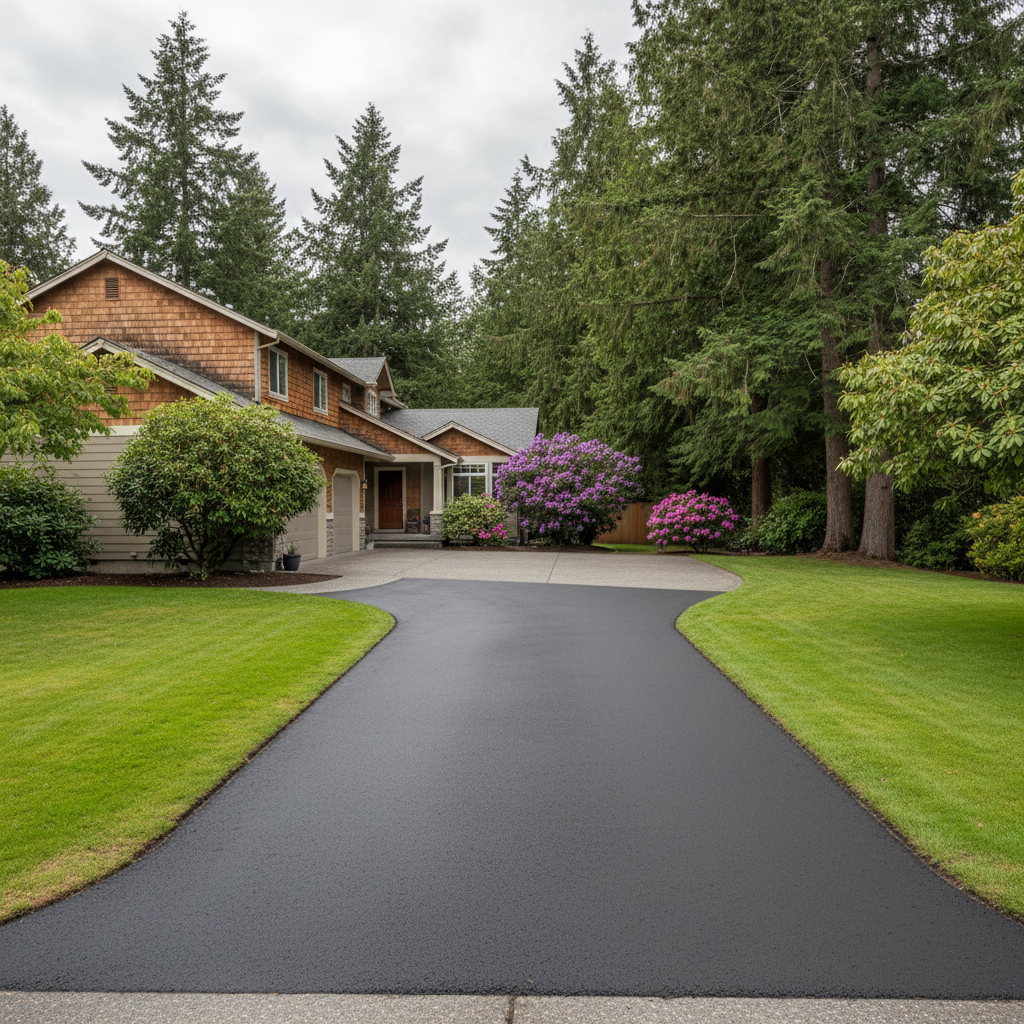
So, your asphalt's seen better days, huh? Cracks are spreading, potholes are popping up, and it's starting to look less like a smooth surface and more like a jigsaw puzzle. You're probably wondering, "What's next? How do I even start planning this?" Don't sweat it. I've been doing this for years here in Renton, and I'm gonna walk you through what you need to know to get your asphalt looking good as new.
Planning Your Asphalt Repair Timeline
First things first, timing is a big deal with asphalt work. You can't just pave whenever you feel like it. The weather plays a huge role. Here in Renton, our best window for asphalt repair is usually late spring through early fall. You need consistent temperatures above 50 degrees Fahrenheit, and definitely no rain. Asphalt needs to cure properly, and cold or wet conditions mess with that big time.
You'll want to start getting quotes a few weeks, maybe even a month or two, before you want the work done. Good contractors get booked up, especially during peak season. Don't wait until August to call if you want it done in September. Give yourself and the contractors enough lead time.
What to Expect During the Repair Process
Okay, so you've picked a contractor, and you're ready to go. What's actually going to happen on repair day?
- Assessment & Prep: We'll start by thoroughly cleaning the area. That means sweeping away debris, sometimes using blowers or even pressure washing if necessary. We'll mark out the areas that need repair.
- Cutting & Removal (for larger patches): If it's a significant pothole or a large section of alligator cracking, we'll often cut out the damaged asphalt in a neat, square or rectangular shape. Then we remove that old material.
- Base Repair: This is crucial. If the base layer underneath is compromised (which is often why you get potholes in the first place, especially with our clay soils in some parts of Renton), we'll need to repair or replace it. This might involve adding and compacting new gravel. Don't let anyone skip this step if it's needed; it's the foundation of a lasting repair.
- Applying New Asphalt: We'll apply a tack coat to help the new asphalt bond to the old. Then, fresh hot asphalt mix is poured into the prepared area.
- Compaction: This is where the magic happens. We use heavy rollers or vibratory plate compactors to press the new asphalt firmly into place. Proper compaction is key for durability and a smooth finish.
- Curing: Once it's compacted, you'll need to give it time to cure. Your contractor will tell you how long, but generally, you'll want to stay off it for at least 24-48 hours, and sometimes longer for heavy vehicles.
It's not usually a super noisy process, but there will be equipment, and it's definitely not a quiet library. Expect some truck traffic and the hum of machinery.
How to Prepare Your Property
Before the crew shows up, there are a few things you can do to make the day go smoothly for everyone:
- Clear the Area: Move your cars, bikes, trash cans, planters, anything that's on or near the asphalt. We need clear access.
- Trim Overhanging Branches: If you've got low-hanging tree branches that might get in the way of equipment, give them a trim.
- Secure Pets & Kids: Keep your furry friends and little ones safely inside or away from the work zone. Hot asphalt and heavy equipment aren't a good mix with curious minds or paws.
- Mark Sprinkler Heads/Utilities: If you have any underground sprinkler heads, invisible dog fences, or other buried utilities close to the repair area, mark them clearly with flags or paint. We'll do our best, but knowing exactly where they are helps prevent accidental damage.
- Communicate: If you have any last-minute questions or concerns, talk to your contractor or the crew foreman when they arrive.
Questions to Ask Before Signing a Contract
Don't just sign on the dotted line without asking some important questions. This is your property, and you deserve to feel confident in the work:
- What specific repair methods will you use for my issues? (e.g., crack filling, patch repair, infrared repair, etc.) Make sure they explain *why* they chose that method.
- What kind of asphalt mix do you use? (e.g., hot mix asphalt, cold patch for temporary fixes)
- How will you prepare the base layer? This is super important for longevity.
- What's the estimated timeline for the project, from start to finish?
- What's your warranty on the work? Get it in writing. A good contractor like Pacific Paving Solutions stands behind their work.
- Are you licensed, bonded, and insured in Washington State? Ask for proof.
- Can you provide references from other Renton homeowners?
- What's the payment schedule? (e.g., deposit, final payment)
- What's the post-repair care I need to follow? (e.g., how long to stay off it, when can I sealcoat?)
Asking these questions upfront will save you a lot of headaches later. You want a clear understanding of the scope of work, the materials, and the expected outcome. Good asphalt repair isn't just about patching a hole; it's about addressing the root cause and ensuring a durable, smooth surface for years to come. Don't settle for less.