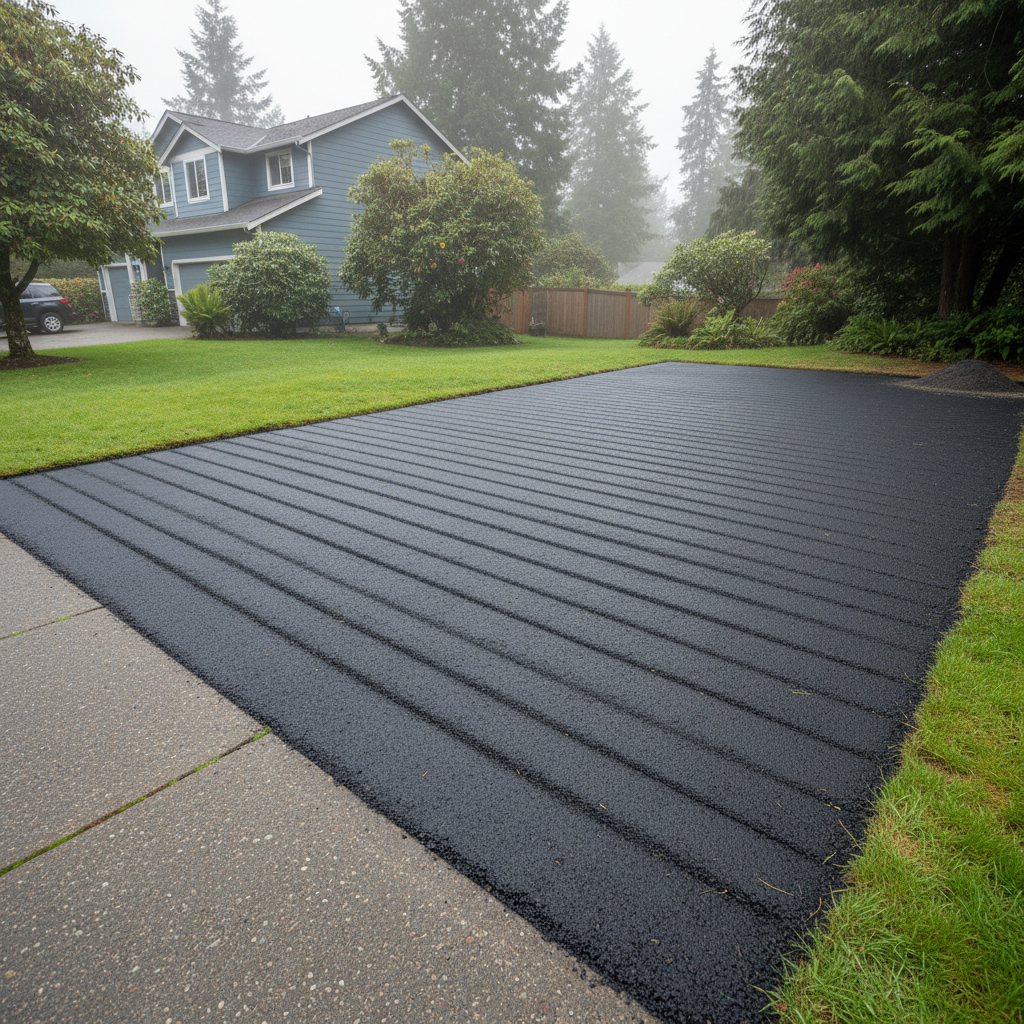
Ever look at a freshly milled surface and wonder what keeps it together once the relentless Western Washington rain kicks in? Pacific Paving Solutions grinds down tired, cracked pavement all the time across the Renton area, from the slopes up in the Highlands down towards the valley floor. Milling gives an old surface a second life, but because you are left with a compacted, textured aggregate layer, you have to manage it right if you want it to last.
How to Make Milled Asphalt Last Through the Rain
Our local weather does not do favors for any pavement. Between the months of persistent drizzle and the occasional freeze-thaw cycle we get in January, water is enemy number one. Milled asphalt relies heavily on proper runoff. When we grade a surface during the milling process, we make sure water has a clear path to the edges rather than pooling in low spots. If you want your surface to stand up to the elements, keep those drainage paths completely clear of pine needles, leaves, and local debris. Standing water will soften the compacted base beneath your milled layer faster than anything else.
Regular Maintenance Routine
You do not need a massive checklist to look after a milled surface, but consistency wins every time. Here is what you should be doing:
- Sweep or blow off organic buildup like fir needles and moss before they trap moisture against the aggregate.
- Inspect the edges where your milled asphalt meets concrete, grass, or buildings, as these unconfined borders tend to unravel first under heavy vehicle weight.
- Address minor raveling or loose aggregate spots early by rolling or compacting them back in before winter weather loosens the whole matrix.
Warning Signs of Trouble
Keep your eyes open for changes in how the surface handles weight and weather. If you notice ruts starting to form where delivery trucks or cars consistently track, or if large chunks of the compacted aggregate start popping loose after a heavy frost, your base might be taking on moisture. Spongy spots underfoot or standing puddles that stick around hours after the rain stops are red flags telling you the sub-base is compromised.
When to Bring in a Professional
Some things go beyond DIY weekend upkeep. If your drainage profile shifts because of ground settling, or if large sections of the milled surface begin breaking apart down to the subgrade, it is time to call in a crew. Pacific Paving Solutions can evaluate whether a targeted repair or a fresh overlay is what you need before a minor drainage headache turns into a total base failure.